Posts

Showing posts with the label Ultramarine Blue Pigment

Was Ultramarine Blue Expensive?

Image
Yes, historically, Ultramarine Blue was one of the most expensive pigments used in art due to the labor-intensive process of extracting and preparing the pigment. The original source of ultramarine blue was the mineral lapis lazuli, which had to be mined primarily in Afghanistan. Extracting the vibrant blue pigment from lapis lazuli required meticulous grinding and purification, which made it a time-consuming and resource-intensive process. Because of its rarity and the effort involved in its production, ultramarine blue was often reserved for use in the finest artworks and was considered a symbol of wealth and prestige. It was frequently used in religious paintings, particularly in depictions of the Virgin Mary's blue robe. Over time, alternative synthetic methods for producing ultramarine blue were developed, which brought down the cost and made the pigment more accessible. Despite this, historically, ultramarine blue was indeed an expensive and prized color in the world of ...
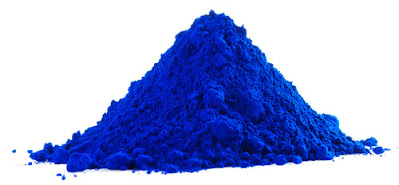
What is ultramarine blue pigment used for?

Image
Ultramarine blue is a vivid and vibrant blue pigment that has been historically used for various artistic, decorative, and industrial purposes. It is known for its deep blue color and was traditionally made from the semi-precious gemstone lapis lazuli. In modern times, synthetic versions of ultramarine blue are more commonly used due to their cost-effectiveness and availability. Here are some of the uses of ultramarine blue pigment: Art and Painting : Ultramarine blue has been widely used by artists for centuries to create intense blue hues in paintings, frescoes, and other forms of visual art. It was particularly popular in Renaissance and Baroque art. Decorative Arts : The pigment has been used in the decoration of ceramics, glass, and textiles, including tapestries, carpets, and clothing. Printing and Printing Inks : Ultramarine blue has been used in the production of inks for printing, including traditional letterpress and modern offset printing. Cosmetics and Personal Ca...

Ultramarine Pigments

Image
Ultramarine pigments are a group of blue pigments that have been used in art and various other applications for centuries. They are known for their intense blue color and were historically made from the semi-precious gemstone lapis lazuli, but modern versions are synthetically produced. Here are some key points about ultramarine pigments: · Origin: The name “ultramarine” comes from the Latin phrase “ultramarinus,” which means “beyond the sea.” It refers to the fact that the pigment was originally imported from Asia, mainly from Afghanistan, where the lapis lazuli mines are located. · Historical significance: Ultramarine has a long history of use in art, dating back to ancient times. It was highly prized and often reserved for use in the most important and sacred artworks, including religious paintings and manuscripts. · Lapis Lazuli extraction: Lapis lazuli is a deep blue metamorphic rock containing significant amounts of the mineral lazurite, which is responsible for the blue color. T...

Ultramarine Blue Pigment

Image
Ultramarine blue is a vivid and deep blue pigment that has been used for centuries in art and industry. It is one of the most famous and widely used blue pigments throughout history. Here's some information about ultramarine blue pigment: Composition: Ultramarine blue pigment is primarily composed of a mineral called lazurite, which is a complex silicate containing sulfur. It also contains small amounts of other minerals such as calcite, sodalite, and hauyne, which can affect the shade and quality of the pigment. History: Ultramarine blue has a long history and was first synthesized in ancient times. Initially, it was made from the precious stone lapis lazuli, which had to be ground into a fine powder. The process was laborious and expensive, making ultramarine blue one of the most expensive pigments. It was highly valued by artists, especially in the Renaissance period. Synthetic Ultramarine: In the early 19th century, a synthetic version of ultramarine blue was developed, makin...

Ultramarine Blue Colour

Image
Ultramarine blue is a vivid and intense shade of blue that has been used in art and various applications for centuries. It is considered one of the most popular and iconic blues in the color spectrum. Originally, Ultramarine Blue Colour was made from the semi-precious stone lapis lazuli, which was ground into a fine powder. The pigment derived from lapis lazuli was highly valued and was often reserved for use in religious art, particularly during the Renaissance. Due to its rarity and expense, it was referred to as "ultramarine," which means "beyond the sea" in Latin, signifying its long-distance source. Today, ultramarine blue is manufactured synthetically using chemical processes. The synthetic version, known as synthetic ultramarine, offers a more affordable and widely accessible alternative to the natural pigment. It is commonly used in various artistic mediums, including painting, ceramics, textiles, and plastics. Ultramarine blue has a deep, rich tone ...

Usage and Aapplications of Ultramarine Blue Pigment

Image
Some of the common usages, applications and characteristics of Ultramarine Blue Pigment include: Application Range Used for Coloring Paint Industry Water, Oil and Acrylic paints Water based emulsion paints Architectural coatings Floor paints Sealants Domestic Applications Toothpaste Eyeliner Pencil & Crayon Detergents Lipstick Food Packaging & Containers Children's paint Mineral water bottles Toilet soaps Inks & Coatings Leather & Paper coatings Coloring Papers Printing inks Textile printing inks Plastics : Blue Ultramarine can be used in any polymer ; violet and pink ultramarine blue Pigment has the m...

Characteristics of Ultramarine Blue Pigment

Image
SKU nanoFine TM   (Plastic/Paint/Ink/Rubber Application)    SKUPL - Ultramarine Blue  Pigments Blue 29 Colour Index No 77007 Chemical family  Sodium Alumino Sulphosilicate Colour Index Name   Pigment Blue 29 Chemical Formula Na 8-10 Al 6 Si 6 O 24 S 2-4 Strength 100 +-5% CIELAB <1 dE <1 Free Sulfur 100-200 ppm (For Sulfur Free Grades Only) Odor Free Yes Dispersion High Water Soluble Matter <1 % Specific Gravity 2.35 Moisture Content <1 % pH Aqueous Solution 7-8 Acid Fastness Poor Alkali Fastness Good Light Fastness Excellent Oil Absorption Optimum std....